
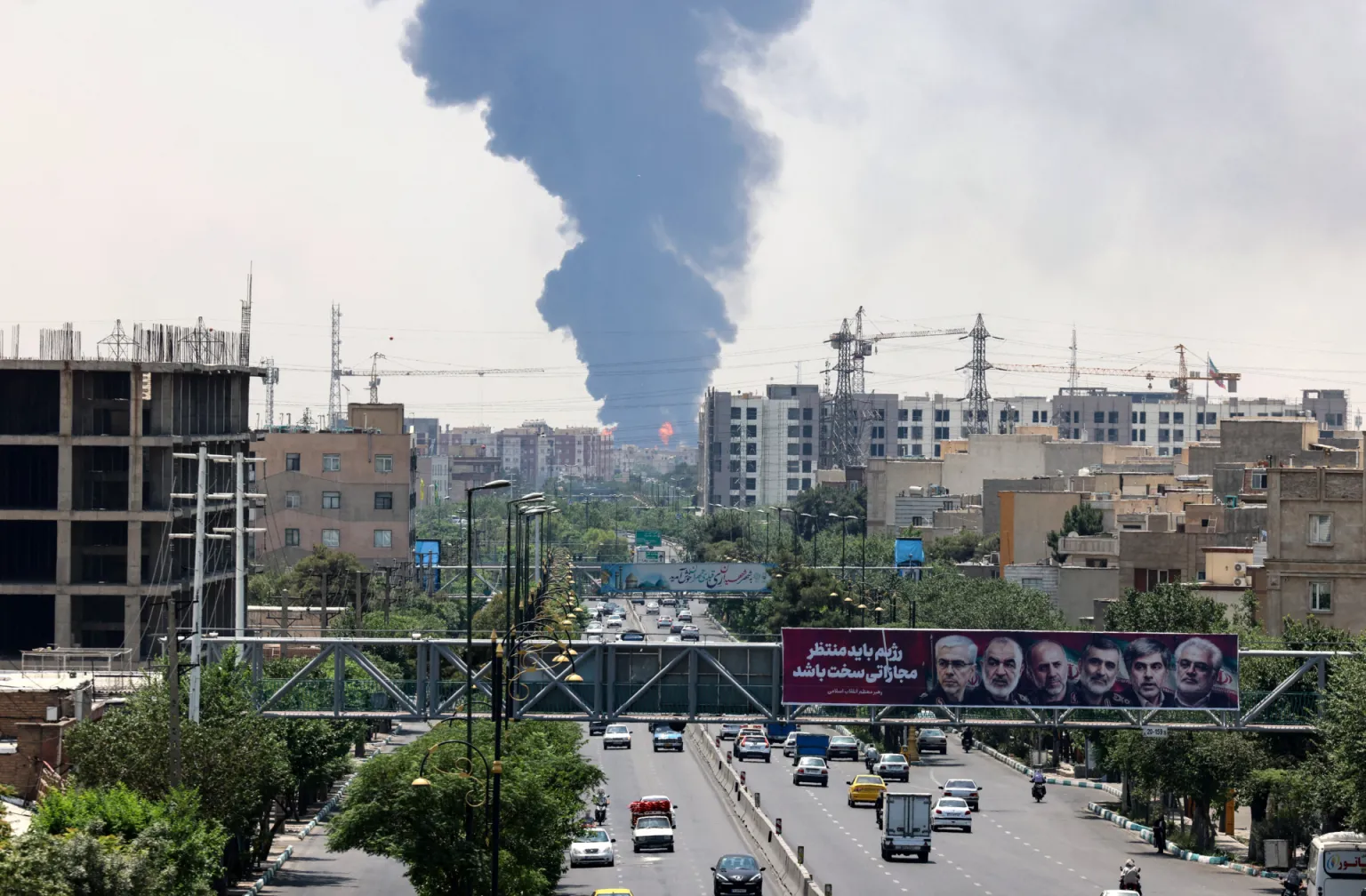
The escalating confrontation involving Iran is not just a regional security crisis; it is a looming economic threat for energy-importing nations like Bangladesh. If the conflict drags on and disrupts energy flows through the Gulf, global LNG prices will rise sharply. For Bangladesh, that would translate almost immediately into macroeconomic stress.
Our energy system is now structurally dependent on imported fuel. LNG has become central to electricity generation and industrial production. When global prices spike, we do not have the luxury of waiting. We must buy regardless of cost to keep power plants running and factories operating. In a prolonged Iran crisis, LNG prices could climb several multiples above pre-war levels. That would significantly raise import bills, widen the current account deficit, and put renewed pressure on the exchange rate.
The implications for foreign exchange reserves are particularly concerning. The Interim Government has worked painstakingly to rebuild reserves and stabilize the external sector after years of turbulence. But energy shocks erode reserves rapidly because fuel imports are both essential and price-inelastic. We have already experienced how quickly stability can unravel. Following the outbreak of the Russian invasion of Ukraine and the subsequent Gaza war involving Hamas and Israel, Bangladesh’s reserves fell from approximately $48 billion to below $20 billion within two years. The sequence that followed currency depreciation, import restrictions, inflationary pressure, and slowed growth is still fresh in public memory.
The uncomfortable truth is that Bangladesh remains highly exposed to external energy volatility because we failed to secure our domestic energy base when we had the opportunity. The decision in the mid-2000s not to proceed with coal extraction in Fulbari was more than a local policy reversal; it was a strategic turning point. By shelving the Dinajpur coal project, we limited our ability to build a stable domestic baseload supply and increased reliance on imported fuels. Over the past two decades, this dependency has deepened. LNG imports expanded, fuel oil-based generation increased, and our vulnerability to global supply disruptions grew accordingly.
Energy policy cannot be separated from national strategy. Countries with diversified domestic energy resources can absorb geopolitical shocks. Countries that depend heavily on imported energy must bear the full cost of global instability. When conflict erupts in distant regions, the consequences are transmitted through commodity markets, shipping routes, insurance premiums, and currency pressures. Nations without energy security find themselves reacting rather than shaping outcomes.
This is not an argument for abandoning environmental or social safeguards. Nor is it a call for simplistic solutions. It is, however, a call for strategic realism. Bangladesh needs a balanced energy doctrine that combines domestic resource development, renewables expansion, regional grid cooperation, and prudent import management. Dependence on a single external fuel source especially one priced in volatile global markets is inherently risky.
If the Iran conflict is brief, the shock may be contained. If it persists, LNG markets will tighten, competition among importers will intensify, and prices will escalate. In that scenario, Bangladesh would once again face the difficult trade-offs between maintaining energy supply, protecting reserves, stabilizing the currency, and containing inflation.
We have navigated one external energy crisis within the past few years. A second prolonged shock would test our economic resilience far more severely. The lesson is clear: energy security is not merely an economic variable; it is a pillar of sovereignty. Countries that fail to secure it remain exposed to forces beyond their control.
We may hope the war ends quickly. But hope cannot substitute for strategic preparation.

Executive Director, Academy of Analytics and Research – AAR