
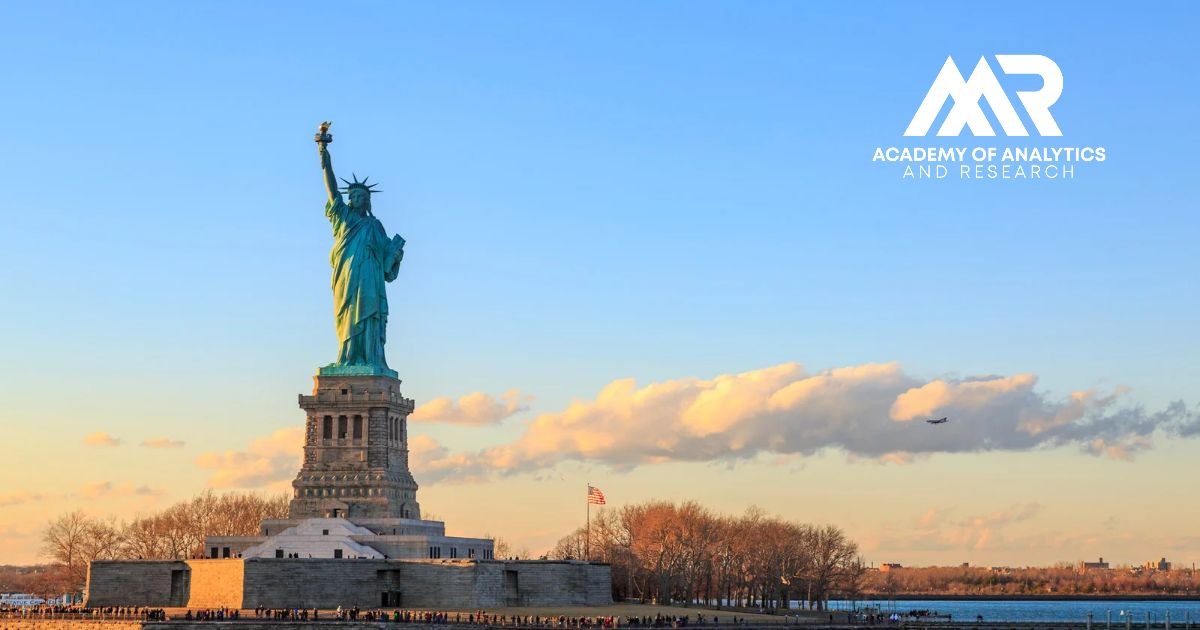
On July 4th, 1776, fifty-six men affixed their signatures to a document that did something no government had quite dared to do before: it declared, as a matter of founding principle, that power belongs to the people and that certain rights are not gifts from kings but truths held to be self-evident. Two hundred and fifty years later, that declaration remains one of the most consequential sentences ever written.
America’s greatness has never rested on the claim of perfection. It rests on something more durable: the idea that a nation can be built to correct itself, generation after generation, in pursuit of its own founding promise.
A Nation Built to Renew Itself
Consider what the United States has actually done with two and a half centuries. It absorbed tens of millions of immigrants from every corner of the globe and turned them, and their children, into Americans, not by demanding they erase where they came from, but by offering a civic identity anyone could join. It fought a civil war over whether liberty could coexist with slavery, and though the reckoning was late and the work remains unfinished, it chose union and eventually chose to expand freedom rather than contract it. It built the world’s most dynamic economy not through central planning but through the energy of free markets and free people, an engine that turned a coastal strip of former colonies into the largest economy in human history.
It has been, at its best, a laboratory of self-government: a place where the peaceful transfer of power, however contentious, has held for two hundred and fifty years; where a free press has needled the powerful without being silenced; where courts have checked presidents and legislatures alike; where citizens can worship as they choose, speak as they choose, and organize as they choose, protected not by the goodwill of rulers but by law.
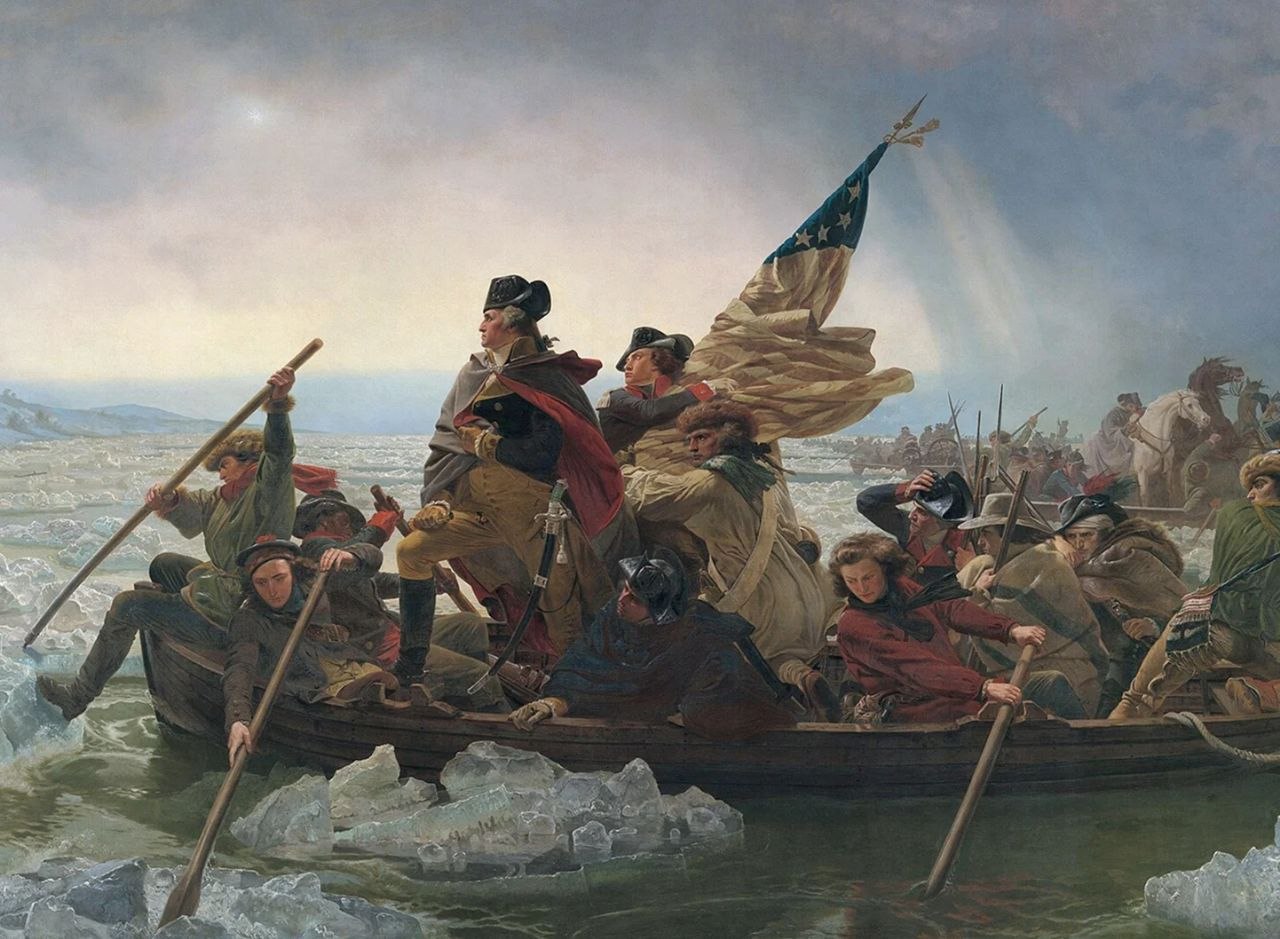
An Idea That Outgrew Its Borders
What makes America’s story remarkable is not only what it built at home, but what it inspired abroad. The language of “unalienable rights” and government “by the consent of the governed” did not stay confined to Philadelphia. It echoed through the drafting of constitutions on every continent. American power, exercised imperfectly and not without controversy, helped rebuild shattered nations after the Second World War, stood as a bulwark against totalitarian expansion during the Cold War, and continues to be a reference point for better or for critical debate in the aspirations of democratic movements worldwide.
American innovation put a human being on the moon, built the technologies that now connect nearly every person on Earth, and produced medical and scientific breakthroughs that have added years to lives far beyond its own borders. American universities remain the destination of choice for the world’s most ambitious students. American culture, for all the arguments about its influence, has given the world music, film, and literature that speak across every language.
Greatness Without Illusion
None of this is a claim that the United States has always lived up to its ideals. It has not, and its own citizens are usually the first and loudest to say so. Slavery, the displacement of Native peoples, and long struggles for civil rights are permanent parts of the American record, not footnotes to it. But this candor is itself part of what distinguishes the American project: a nation that permits, even celebrates, the criticism of itself, and that has repeatedly used that criticism as fuel for reform rather than treating it as a threat to be silenced.
That is the deeper meaning of American greatness not an assertion that the country has arrived, but a two-hundred-and-fifty-year demonstration that a free people, given the tools of self-government, will keep trying to get closer to their own ideals.
A Toast to the Next Chapter
As Americans mark this milestone, the rest of the world watches with a mixture of admiration, expectation, and, at times, frustration the natural reactions to a country whose influence is so wide that its choices ripple far beyond its own shores. That is, in its own way, a tribute to what America has built: a nation whose internal debates about liberty and justice matter to people who will never hold an American passport.
Two hundred and fifty years ago, a group of revolutionaries bet that ordinary people could govern themselves better than kings could govern them. On the weight of the evidence since, it remains one of the best bets in the history of nations.
Happy 250th, United States of America.
To mark the Semiquincentennial of United States independence.
– Jaber, Executive Director at Academy of Analytics and Research – AAR